4 Ways to Protect Yourself Against Google Chrome-based Attacks

image from unsplash.com

Knowing that Google Chrome was created by one of the most data-hungry companies globally, we have always had our reservations about it.

These days, more reports are coming out about how the browser is being used to perpetrate a different kind of dangers and scams. Known to be the most used browser in the world, we see why it would be a hotbed for hackers since they would be able to attack many users at once.

It would help if you were not one of the casualties of this browser, though. If you will keep using your Google Chrome, here are some tips to stay safer than before.


1 Understand Incognito Mode

One of the many privacy dangers that come with Google Chrome is not the use of Incognito Mode, but failing to understand what it can and cannot do.

This browsing mode is famed for ensuring your browser history is not logged when in use. It also clears cookies and other tracker information from your browser as soon as you are done with the current session. You might not know that your employer/ network admin, webmasters, and internet service provider (ISPs) still see everything you are doing on the internet.

Thus, you are protected from other browser users who are looking at your browse information – but not from those on the other end of things. That is why you should not use this mode for susceptible tasks.
Otherwise, you can follow the step below.

2 Install a VPN

What does a VPN have to do with securing your browsing on a Google Chrome install? A lot, if you ask us.

VPNs are known for their plenty of servers placed in different countries of the world. When you layer your connection over a VPN, your internet data is routed through a lot of these servers before getting to the final destination. This move is called tunneling.

Thus, a VPN on your chrome browser masks your activity on the web. Even if you were not using Incognito Mode, no one would be able to snoop on your internet activity. Not even your ISP and network admins will have any idea of what your internet session was about.

3 Check Extensions

The Google Chrome extension store is starting to get awash with a ton of malicious extensions. Adding them to your browser steals various sensitive information from you, sending them back to the hackers behind such extensions.

In recent weeks, we have seen such extensions be why many users lose their crypto wallets and holdings. Other users have even had their fiat money balances wiped out too. That, and we have not talked about those who lost access to some of their accounts.

This is possible since the extension can access all that has been saved on your browsers – such as password and login details. They can also record your keystrokes, allowing them success to sensitive data such as a cryptocurrency wallet seed phrase.

The best response to this attack is to get extensions strictly from the Google Chrome extensions store. Even at that, make sure the extension you are getting is from a trusted brand and supplier.

4 Update your Browser


image from pixabay.com
When Google finds a new flaw in the system, it will send out a patch to fix that flaw. Sometimes, this is a flaw that has already made the news. For security reasons, though, developers will usually not talk about what they have updated in the browser. That way, hackers don't go snooping around such other vulnerabilities that they can find.

Thus, it is in your best interest to always update the app whenever you get the prompt. Updating the Google Chrome browser does not take long, but it keeps you protected for longer than before.

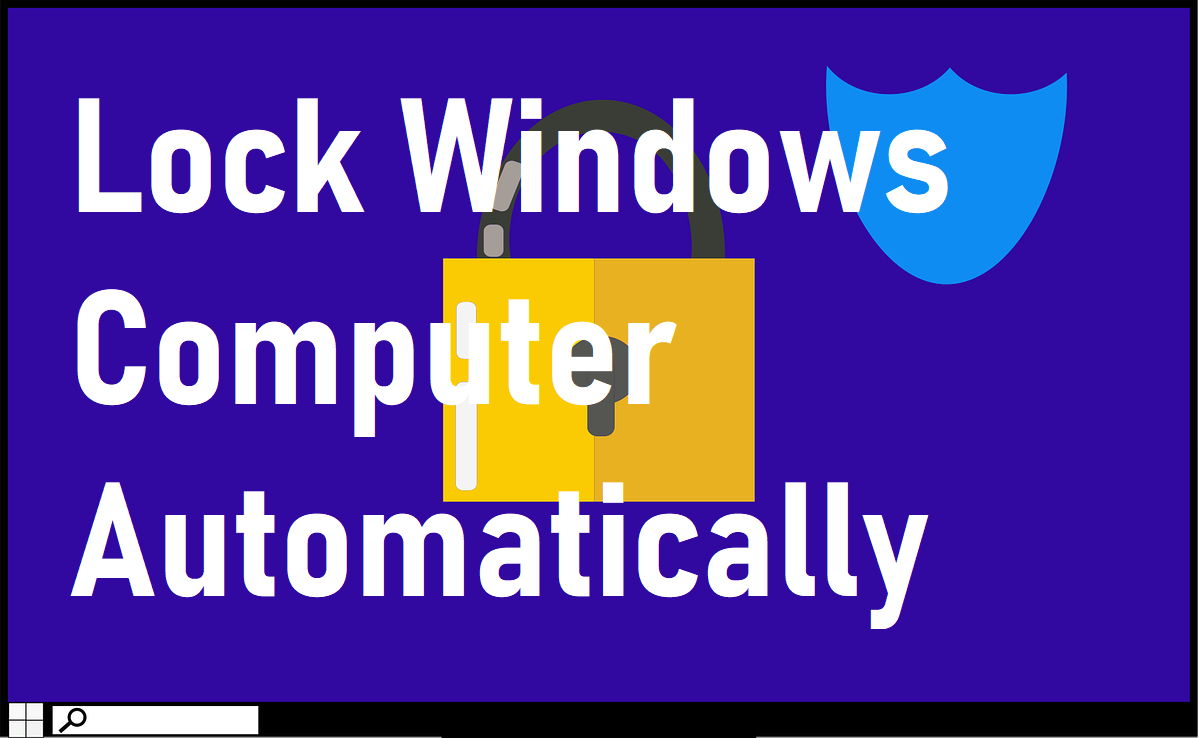
How To Automatically Lock Your Windows PC When you Go Out of Its Range.

Automatically Lock Your Windows PC

If you work in close proximity to other people and value your privacy, you should always lock your computer by pressing Windows+L whenever you leave it unattended. If you find you often forget to do this, you could use your phone as a proximity key, to automatically lock Windows when you step away from your computer.

How To Automatically Lock Window Computer.

This automatically locking trick uses your phone as a trigger and when your phone goes out of the Bluetooth range, your PC gets locked.

In the Settings app, open Devices and Select ‘Bluetooth & other devices’. Turn on Bluetooth on the computer and your phone, and pair the two devices.

Bluetooth device


Then go to Settings, Account, ‘Sign-in options’ and scroll down to ‘Dynamic lock’.

Tick the box next to ‘Allow Windows to lock your device automatically when you’re away’. Your phone will be added to the setup.

lock your device automatically


Assuming you always keep your phone on you, Windows will lock your PC when you walk out of Bluetooth range. 

How To Enable and Disable Windows Defender Firewall.

Enable and Disable Windows Firewall.

The Windows Firewall is for helping you to keep unauthorized users away from accessing your files and resources on your PC. It is a very important feature of Windows for your computer safety.  

If you don’t have a firewall enabled as part of a paid-for security suite, it’s essential to get the Windows version configured. A firewall keeps out any hackers and malware that try to gain access to your computer through the network, so you should have a firewall enabled by default.

You can check this from the Control Panel. Open Windows Defender Firewall (it used to be Windows Firewall). If it says ‘These settings are being managed by vendor application’ followed by the name of your security software, then everything’s fine. Otherwise, turn it on for Private and ‘Guest or Public’ network.

Enable Firewall in Windows 10.

If your Windows Firewall is not enabled by default then you must enable it. Click the Window key and search for ‘Windows Defender Firewall’ and then press Enter.

Turn on Windows Defender Firewall.

Click on Turn Windows Defender Firewall on or off on the left side of the screen under Control Panel Home.

Turn Windows Defender Firewall on or off

You will get a Customize Settings window, check the circle box to Turn on Windows Defender Firewall for both public network and private network separately. At last click on OK to finish.

Enable Windows Defender Firewall

If you’re having trouble setting up a wireless printer, streaming to a Chromecast, or connecting to another PC or other network device, it may be because the firewall is blocking you.

You can temporarily disable it again after everything is set up and you know it’s working. 

How To Change to Public or Private Networks in Windows 10.

Difference Between public or private network.

When you connect your Windows 10 PC with any Wi-Fi network then Windows classifies a network as either ‘public’ or ‘private’ and uses this classification to apply security features, such as the firewall, and the sharing of hard drives, folders, printers and so on.

Now, the question may come to your mind that what is the difference between ‘public and private’ networks and which network mode you should use. In this article, I am going to answer all your doubts related to this.  

Difference Between Public and Private Network in Windows 10.

Private networks have all sharing options enable, while public networks disable anything that might be a security threat.

Public network hides your PC from other devices on the network and you can’t be used for printers and file sharing. Use this for the networks you connect to when you’re out and about, such as a Wi-Fi network at a coffee shop.

Private network mode is for the network you trust on, such as home or work. In this network, your PC is discoverable to other devices and can be used for printer and file sharing if you set it up.

Change Public or Private Networks in Windows 10.

When a computer connects to a network, the appropriate public or private settings are selected. If you are having problems with sharing files or connecting to printers, it may be because the public network settings have been activated, which locks everything down.

In Windows 10, open Settings (Windows+i) and click ‘Network & Internet’.

Network and Internet

Select ‘Wi-Fi’ on the left, then click the network you’re connected to on the right.

Wi Fi Settings Public or Private


If you’re at home and you trust all the other devices and people that might be connected to your network, select Private in the ‘Network profile’ section. 

Public or Private Networks in Windows

How To Remotely Shut down a PC using Windows Command Prompt.

You can shut down all your PCs from a single Command Prompt window. You’ll need to change a few settings in advance, through.

On any PC you want to shut down remotely, click Start, type ‘services.msc' then press Enter.

Windows Services


Right-click the Remote Registry, select Properties, then select Automatic in the ‘Startup type’ menu and click OK.

Remote Registry


Remote Registry

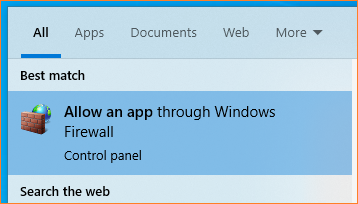
Now click Start again, type allow an app, and press Enter. This will open your Firewall settings.

Firewall settings


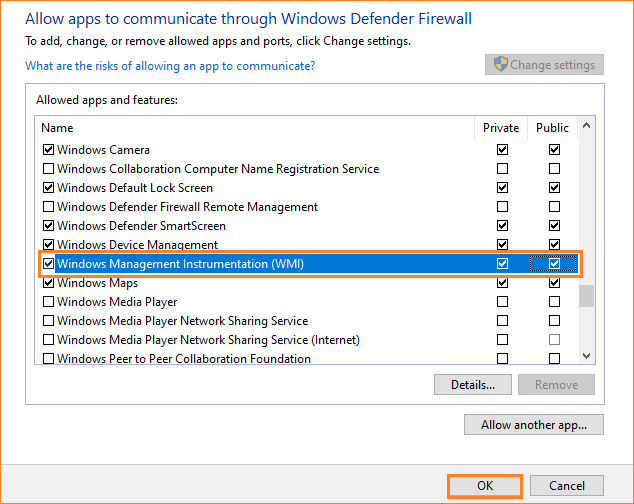
Click ‘Change settings’, scroll to Windows Management Instrumentation (WMI), then tick the box to the left of it and click OK.

Windows Management Instrumentation


Now, on your controlling PC(s), open Command Prompt and type shutdown /i. This will launch a Remote Shutdown box.

Remote Shutdown Dialog


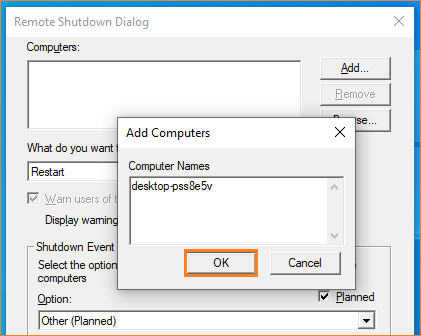
Click Add, then type the IP address or hostname of the other computer then click OK.

Remote shutdown dialog box

Note: Hostname is a name given to a computer to identifies them on your network. To know your hostname, type ‘hostname’ in Command Prompt, then press Enter.

Select Shutdown in the ‘What do you want these computers to do’ menu, type a message that will appear on the PCs you’re shutting down, then click OK.

Remote Shut down


You’ll need to be signed in to Windows with an administrator account on all computers for this to work.

Type Diacritics and Symbols Using Keyboard and Character Map in Windows.

Diacritics are accents and flourishes, é and Ù for example help guide pronunciation, while symbols are commonly used pictograms such as © and TM that often are not spoken but have specific uses in written text.

In many cases, they are available directly by combining Alt Gr (to the right of the space bar) with a shortcut key. So, Alt Gr+C gives you ©, Alt Gr+T produces TM and Alt Gr+R result in ®. Your keyboard may also be marked with accented characters, which are accessed in the same way.

Note: You can use Ctrl + Alt instead of Alt Gr. It works for all special characters on your keyboard.

On our keyboard, combining the vowel keys with Alt Gr lets us type á, é, í, ó, and Ú, while using it with the 4 key gives us the  symbol.

Character map Windows.


If the character you need isnt available directly, press Start, type map, and click "Character Map". This shows all the characters available in each of your installed fonts. You just have to click the one you want, followed by Select and Copy. Now switch to the program in which you want to use the copied character and press Ctrl+V to insert it.

Follow Raveling Tech on Facebook and Twitter for more such technology related posts.     

DON'T MISS

Nature, Health, Fitness
© all rights reserved
made with by AlgoLesson